
- First artificial satellite: Sputnik 1 (Soviet Union), launched on October 4, 1957, was the very first human-made object in orbit.
- First probe to escape Earth orbit: Pioneer 4 (USA), launched in March 1959, was the first to escape Earth's gravity to fly by the Moon.
- First planetary flyby: Mariner 2 (USA) successfully passed Venus in December 1962, returning the first data from another planet.
- First outer solar system probes: Pioneer 10 (launched 1972) and Pioneer 11 (launched 1973) preceded Voyager in exploring the asteroid belt and Jupiter.
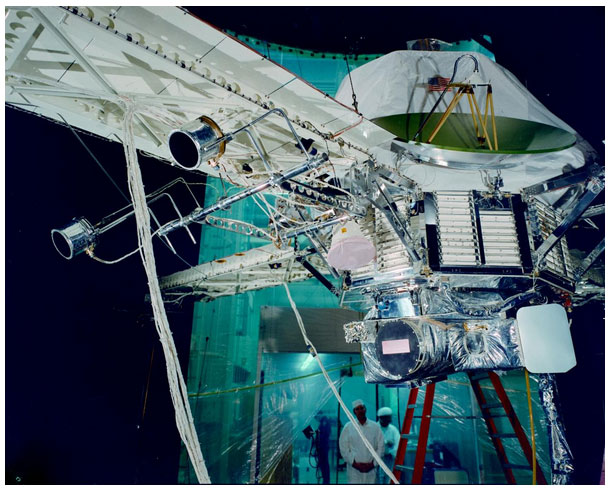
Mariner 1 was the first spacecraft of NASA's interplanetary Mariner program, built to conduct the first American planetary flyby of Venus. Mariner 1 and its sibling spacecraft Mariner 2 were adapted from the lighter Ranger lunar spacecraft. Mariner 1 carried a suite of experiments to determine the temperature of Venus as well to measure magnetic fields and charged particles near the planet and in interplanetary space.
Mariner 1 was launched by an Atlas-Agena rocket from Cape Canaveral's Pad 12 on July 22, 1962. Shortly after liftoff, errors in communication between the rocket and its ground-based guidance systems caused the rocket to veer off course, and it had to be destroyed by range safety. The errors were traced to a mistake in a specification of the hand-written guidance equations which were then subsequently codified in the computer program.
Mariner 1 was launched by an Atlas-Agena rocket from Cape Canaveral's Pad 12 on July 22, 1962. Shortly after liftoff, errors in communication between the rocket and its ground-based guidance systems caused the rocket to veer off course, and it had to be destroyed by range safety. The errors were traced to a mistake in a specification of the hand-written guidance equations which were then subsequently codified in the computer program.
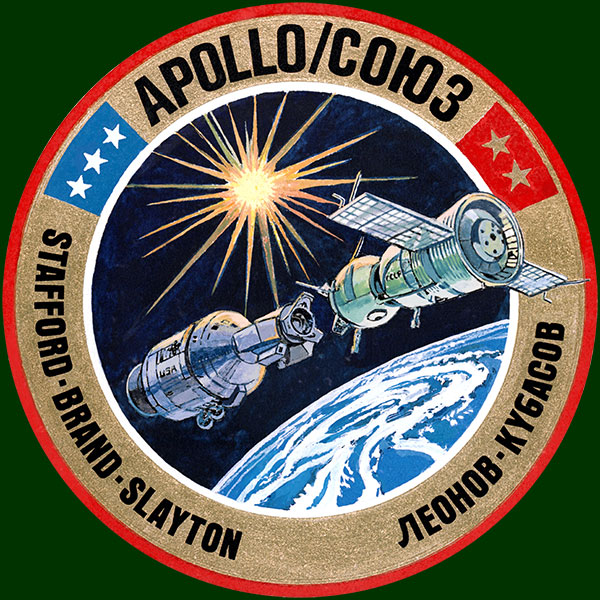
pollo-Soyuz was the first crewed international space mission, conducted jointly by the United States and the Soviet Union in July 1975. Millions watched on television as an American Apollo spacecraft docked with a Soviet Soyuz capsule. The mission and its symbolic "handshake in space" became an emblem of détente during the Cold War. The Americans referred to the flight as the Apollo-Soyuz Test Project (ASTP), while the Soviets called it Experimental flight Soyuz-Apollo
Voyager 1 and Voyager 2 were deployed in 1977
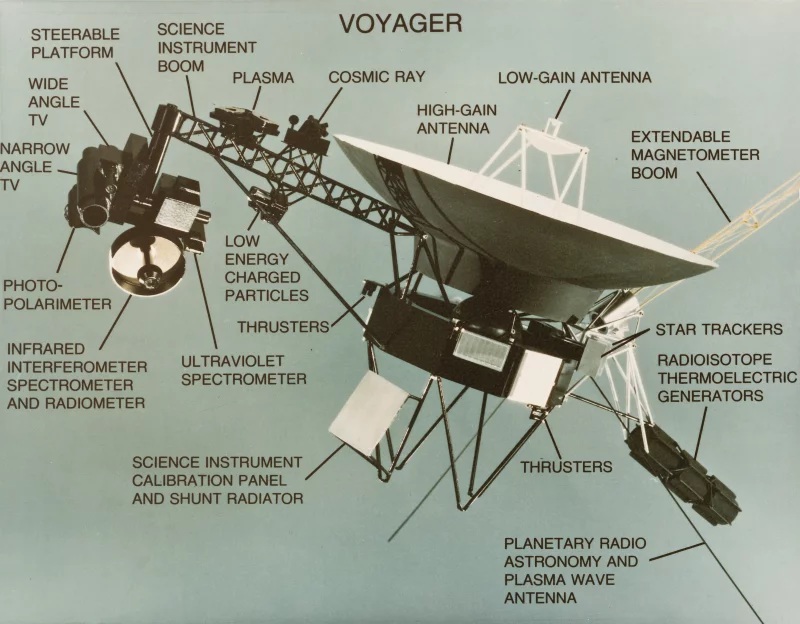
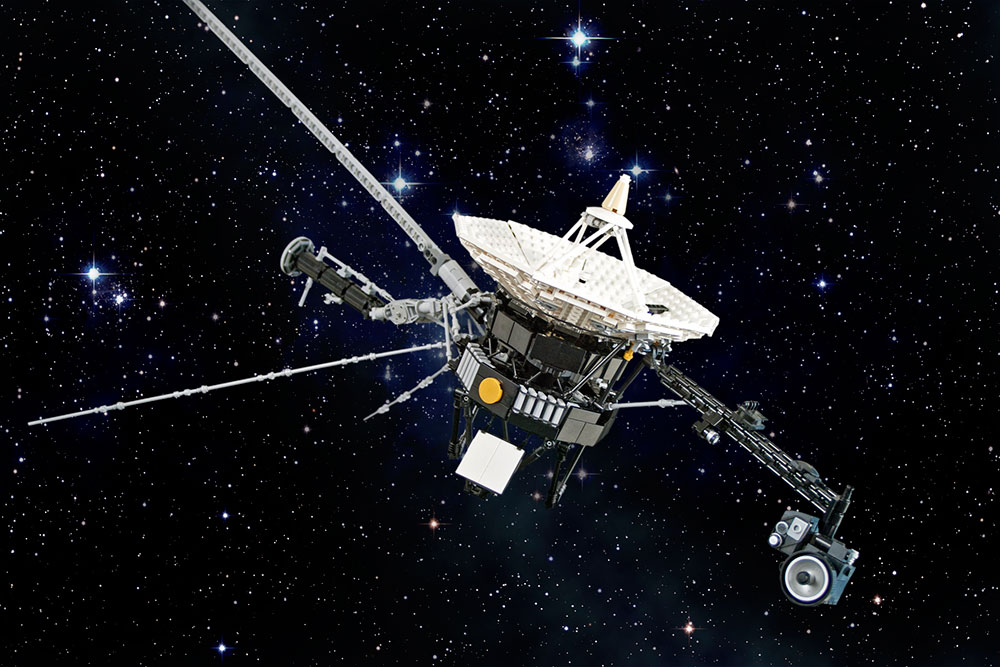
VOYAGER II
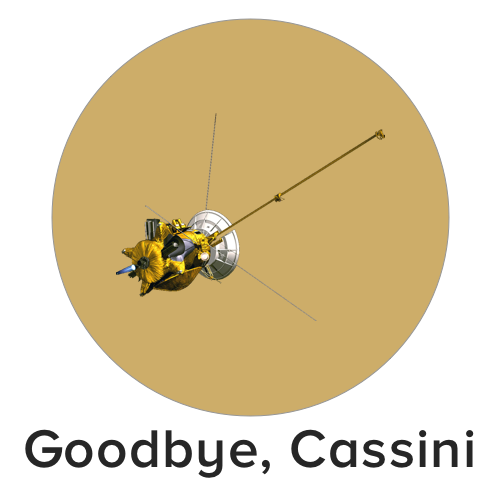
The Cassini-Huygens mission (1997-2017) was a flagship NASA/ESA/ASI robotic mission that orbited Saturn for 13 years, revolutionizing our understanding of the ringed planet and its moons. It delivered the Huygens probe to Titan in 2005—the first outer solar system landing—and revealed active icy jets on Enceladus. The mission ended with a planned plunge into Saturn on September 15, 2017, to prevent contamination of potentially habitable moons.


Voyager 1's path started with gravity assists from Jupiter (1979) and Saturn (1980), slingshotting it upwards out of the ecliptic plane towards interstellar space, aiming towards the constellation Ophiuchus, becoming the first spacecraft to enter the interstellar medium in 2012, and is currently heading out of our solar system into the vastness beyond. Its trajectory uses planetary gravity to gain speed, taking it on a unique, steep, upward arc away from the other planets.
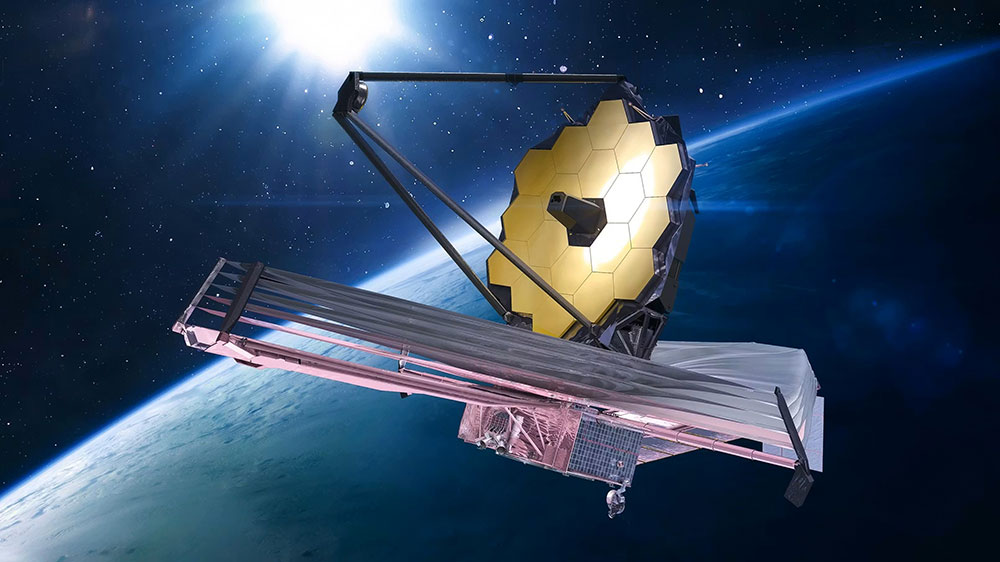
The James Webb Space Telescope (JWST) is currently the most advanced, largest, and powerful space telescope ever launched, designed to observe the universe in infrared light. Launched in December 2021, its 6.5-meter mirror allows it to see the first galaxies, study exoplanets, and pierce through cosmic dust with unprecedented sensitivity.
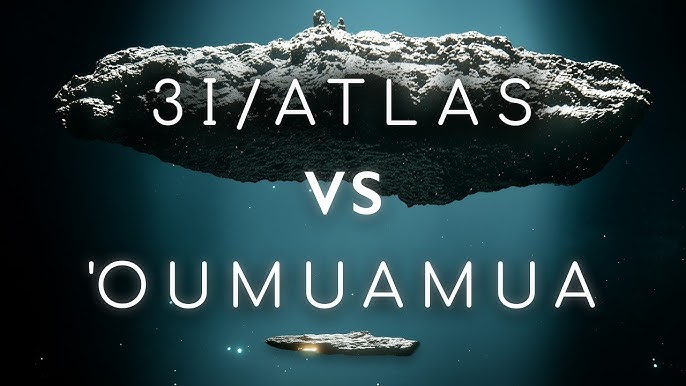
The Three (so far) Interstellar Objects: 1. Oumuamua, 2. Borisov, and 3. Atlas
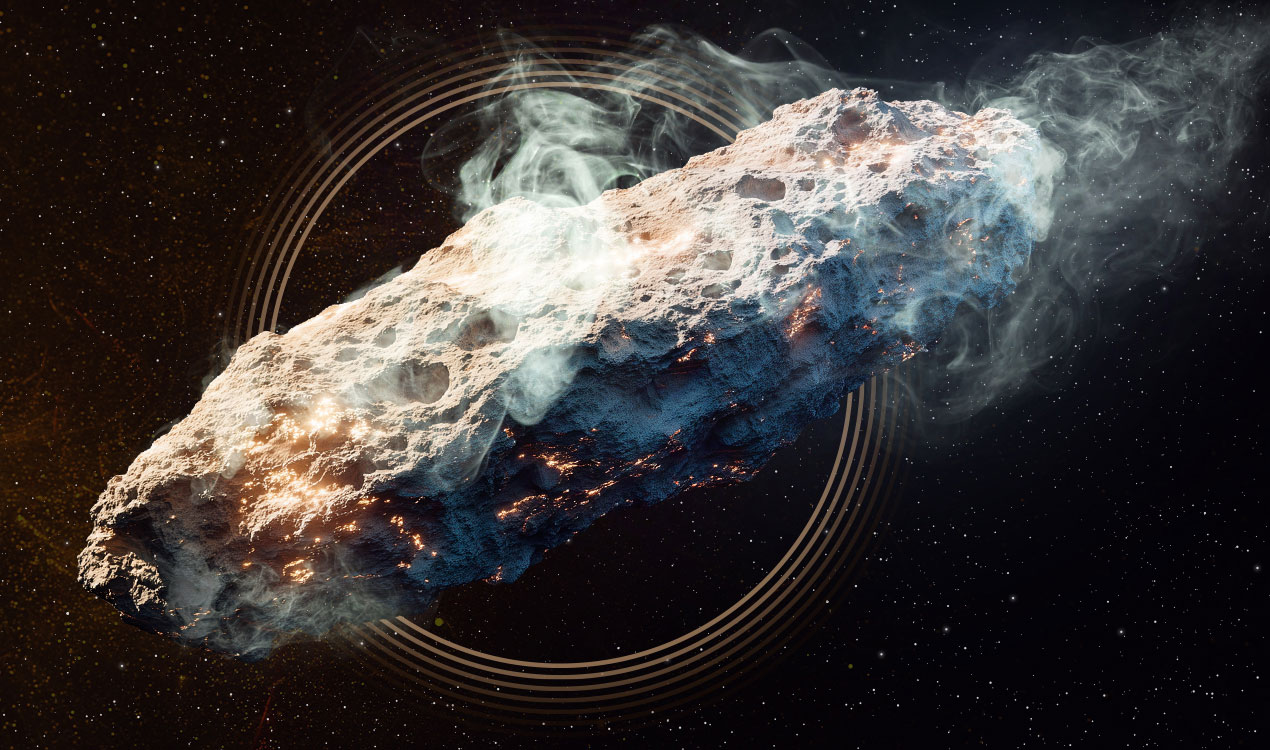
July 1, 2025: 3I/ATLAS is the third interstellar object ever discovered in our solar system. Telescope observations suggest it is a roughly 7-mile-wide (11 kilometers) comet zooming at more than 130,000 mph (210,000 km/h). Astronomers discovered it in early July as it emerged from beyond the orbit of Jupiter. An analysis of the comet's composition and unusually flat, straight trajectory revealed that it did not originate within our cosmic neighborhood, and was likely ejected from a distant star system long before our sun ever formed.
The exotic comet has many peculiar properties, from its chemical composition to its large size. This has fuelled speculation that the comet is an alien spacecraft intentionally guided here. That's almost certainly not the case, but it doesn't mean that astronomers aren't excited about studying it to better understand the conditions around other stars, the early Milky Way, and the frontier of interstellar space. Live Science will continue to follow the latest research as the comet reemerges from the far side of the sun in mid-November, becoming visible to Earth-based telescopes once again.
The Oort Cloud is an invisible 1.5 light-year wall around our solar system
Jan 14, 2026 #Astronomy #NASA #NSN NASA's Voyager spacecraft crossed the heliopause - the boundary where the Sun's influence ends and interstellar space begins. New data reveal that this region is far more structured and energetic than scientists expected, changing how we understand the true edge of the Solar System.
What Voyager 1 and Voyager 2
have been sending us for 47 years.
What NASA Found On Mars
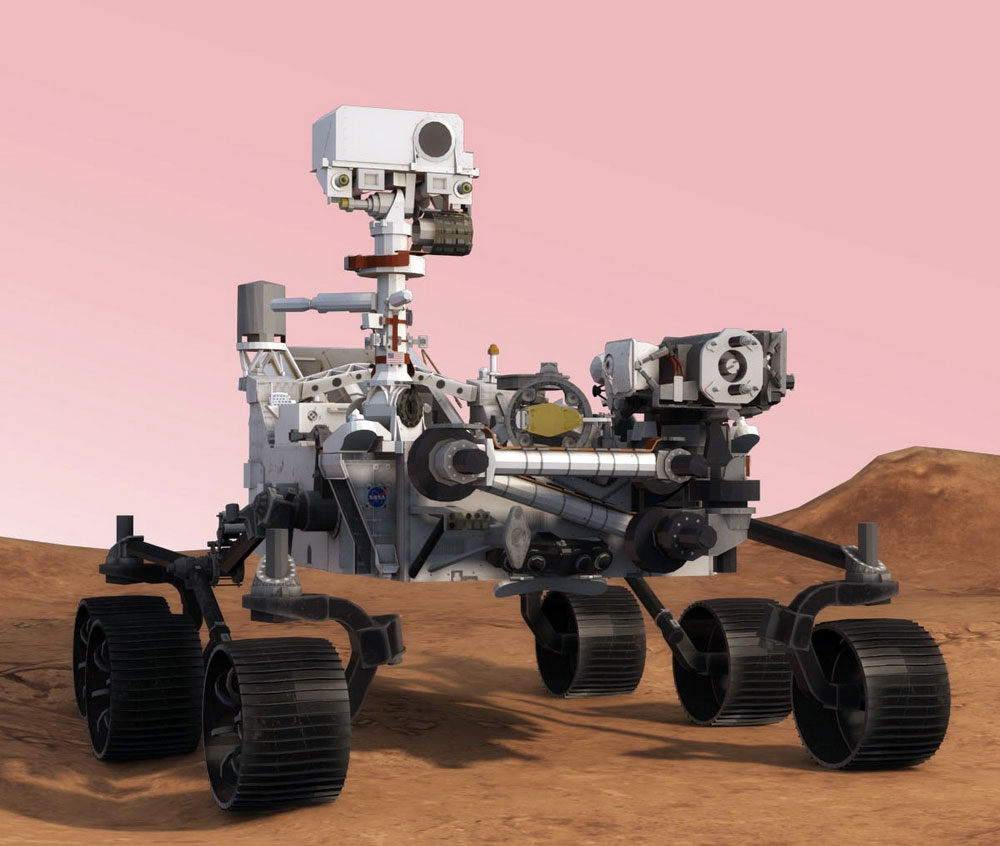
see, I'm having a good time with this.NASA's Perseverance rover (launched 2020, landed 2021) is a car-sized robot exploring Mars' Jezero Crater to search for signs of ancient microbial life and collect rock/soil samples for future return to Earth. Operating in a former river delta, it has identified ancient lake habitats and utilizes AI to navigate autonomously, marking a massive leap in planetary exploration.
Magnetism - Defending Our Planet, Defining The Cosmos
2023: Huge Black Holes Crash Into Each Other
Saturn has the most moons in the Solar System, with 292 confirmed satellites as of March 2025. These range from tiny moonlets within its rings to massive bodies like Titan, which is larger than Mercury. Key moons include Titan (thick atmosphere), Enceladus (icy plumes/potential life), and Iapetus (two-toned coloration).
NASA Found Life Molecules Inside Enceladus

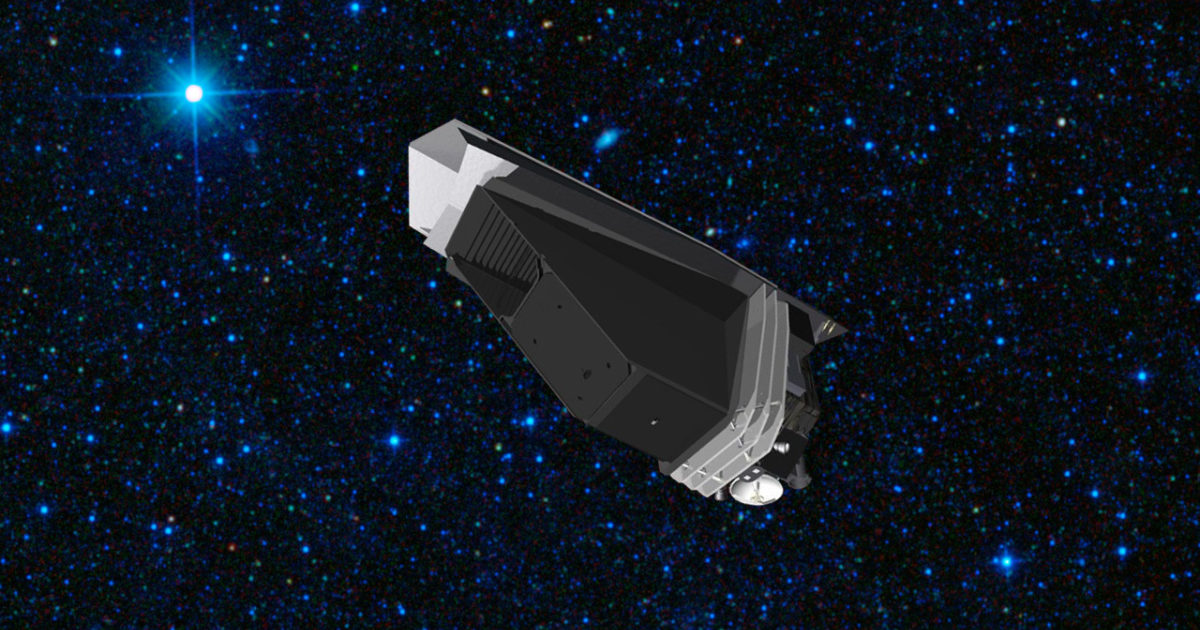
NASA's NEO Surveyor, the agency's first infrared space telescope designed specifically to detect potentially hazardous asteroids and comets
New meaning to "The Far Side"
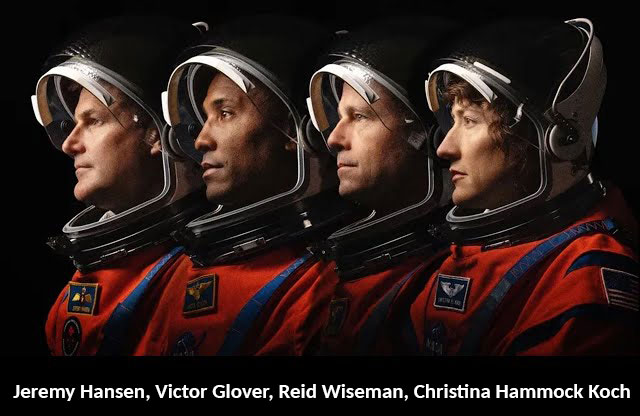
April 7, 2026: The Artemis II crew of NASA astronauts Reid Wiseman, Victor Glover, and Christina Koch, along with CSA (Canadian Space Agency) astronaut Jeremy Hansen have set the record for the farthest distance from Earth traveled by a human mission, surpassing the Apollo 13 record of 248,655 miles set in 1970.
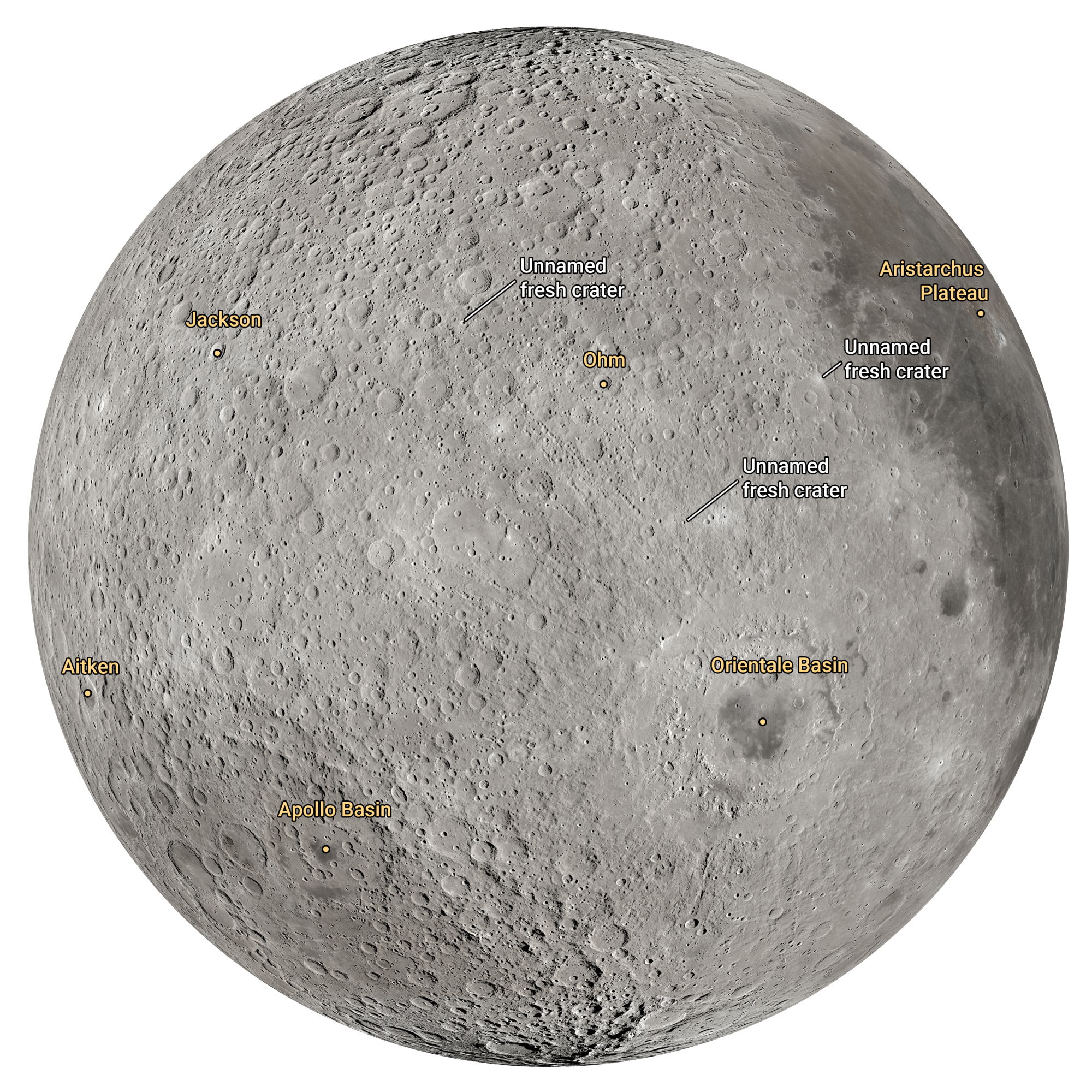
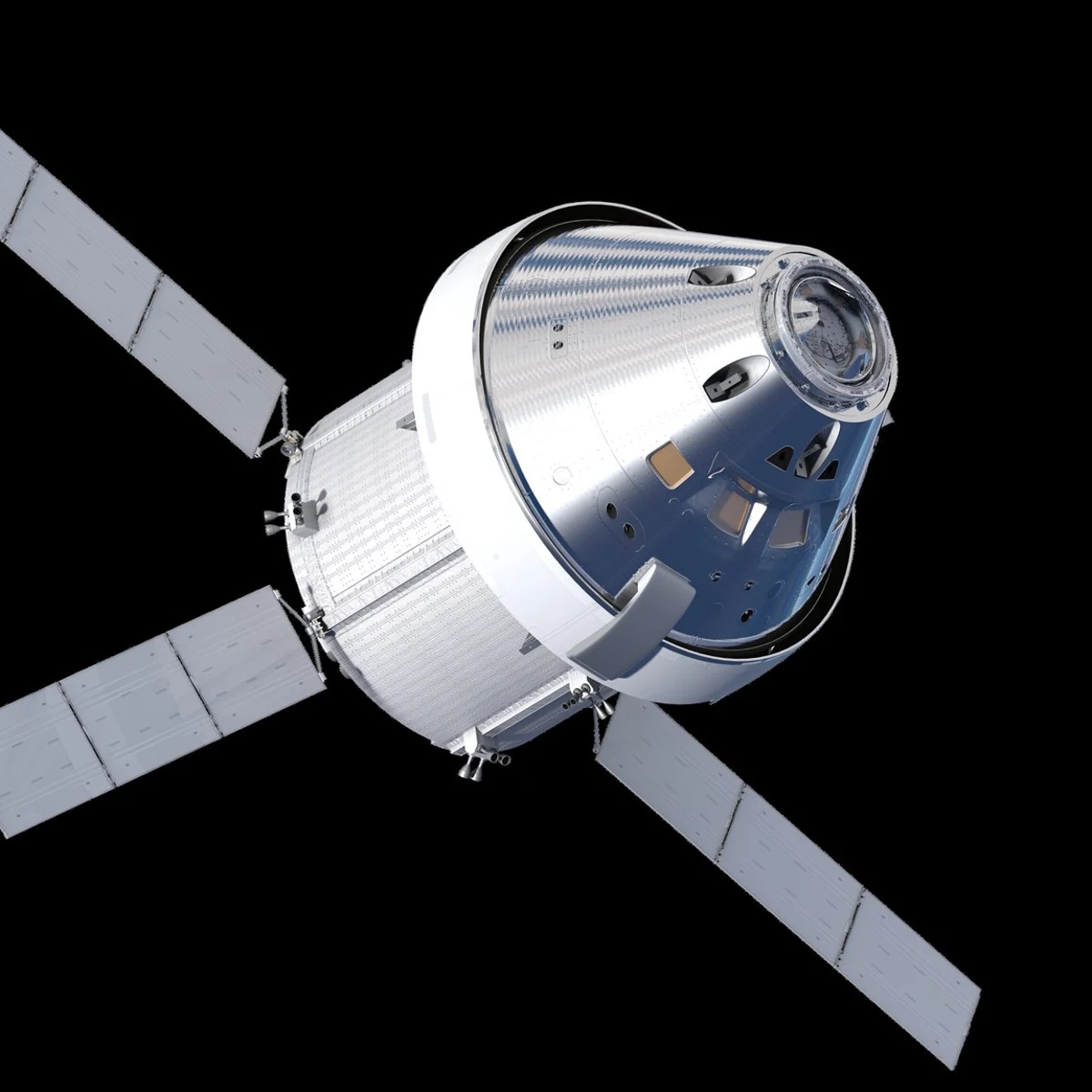
After breaking the record for human spaceflight, the Artemis crew also took a moment to provisionally name a couple of craters on the Moon, noting they were able to see them with their naked eye. Just northwest of Orientale basin highlighted above is a crater they would like to name "Integrity" after their spacecraft and this historic mission. Just northeast of "Integrity", on the near and far side boundary, and sometimes visible from Earth, the crew suggested "Carroll Crater" in honor of Reid Wiseman's late wife. After this mission is complete, the crater name proposals will be formally submitted to the International Astronomical Union.